Who isn’t obsessed with gold foil these days? It’s trending, and I get lots of questions from clients about how it actually works. Gold foil is stunningly beautiful—but how do you actually print it?
Authentic Gold Foil
To print true metallic gold, you need a printer that offers gold foil methods. This includes embossing or foiling techniques where heated metallic foil is fused directly to the page. The result? A genuine reflective gold finish.
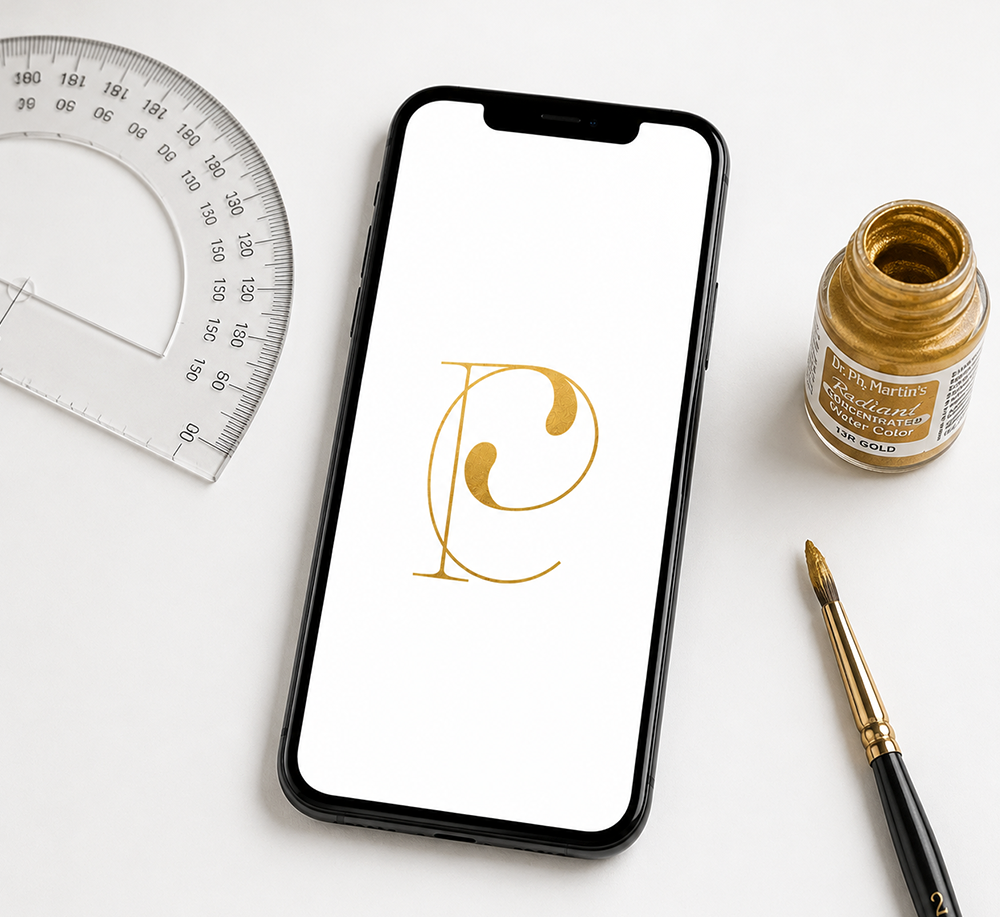
CMYK “Gold” vs. Real Foil
If your design looks gold on-screen but is printed on a laser or inkjet printer using CMYK (cyan, magenta, yellow, black), it will appear yellow-orange, not metallic. True metallic shine only comes from foiling or metallic inks.

Do you see the difference? The first image has a yellowish hue. It has a golden tone, but doesn’t actually reflect metallic. The second printing example is true gold foil imprinted on the page. Heated foil is fused to the page using special printing techniques.
Alternatives?
Some professional presses offer metallic inks, which give a shiny, foil-like effect. Digital printing doesn’t naturally support metallics, so this is a key distinction if you’re going for the real thing.
You can also choose to go with a solid, matte tone that appears gold but renders the same on all surfaces.
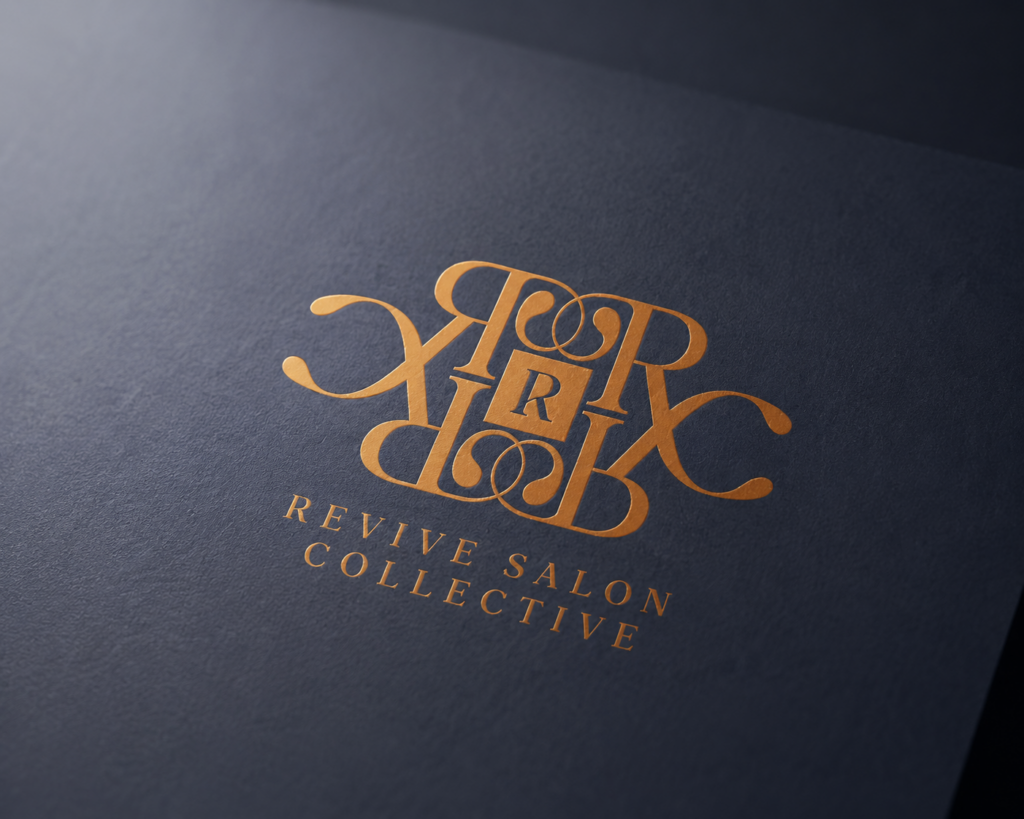
The Revive Salon Collective logo is a good example of solid, matte gold in print:
Digital Gold
If your gold design is for web use only—like your site header, Instagram, or YouTube—you can render it digitally to look incredible. Just remember: it won’t print the same metallic luster if you try to reproduce it physically.

Gold foil isn’t just about sparkle—it’s about creating a little magic on the page. Whether it’s a business card, invitation, or packaging, the right foil instantly elevates your design, making it feel thoughtful, luxe, and memorable.
Curious how gold foil can elevate your brand? Let’s create your metallic magic →